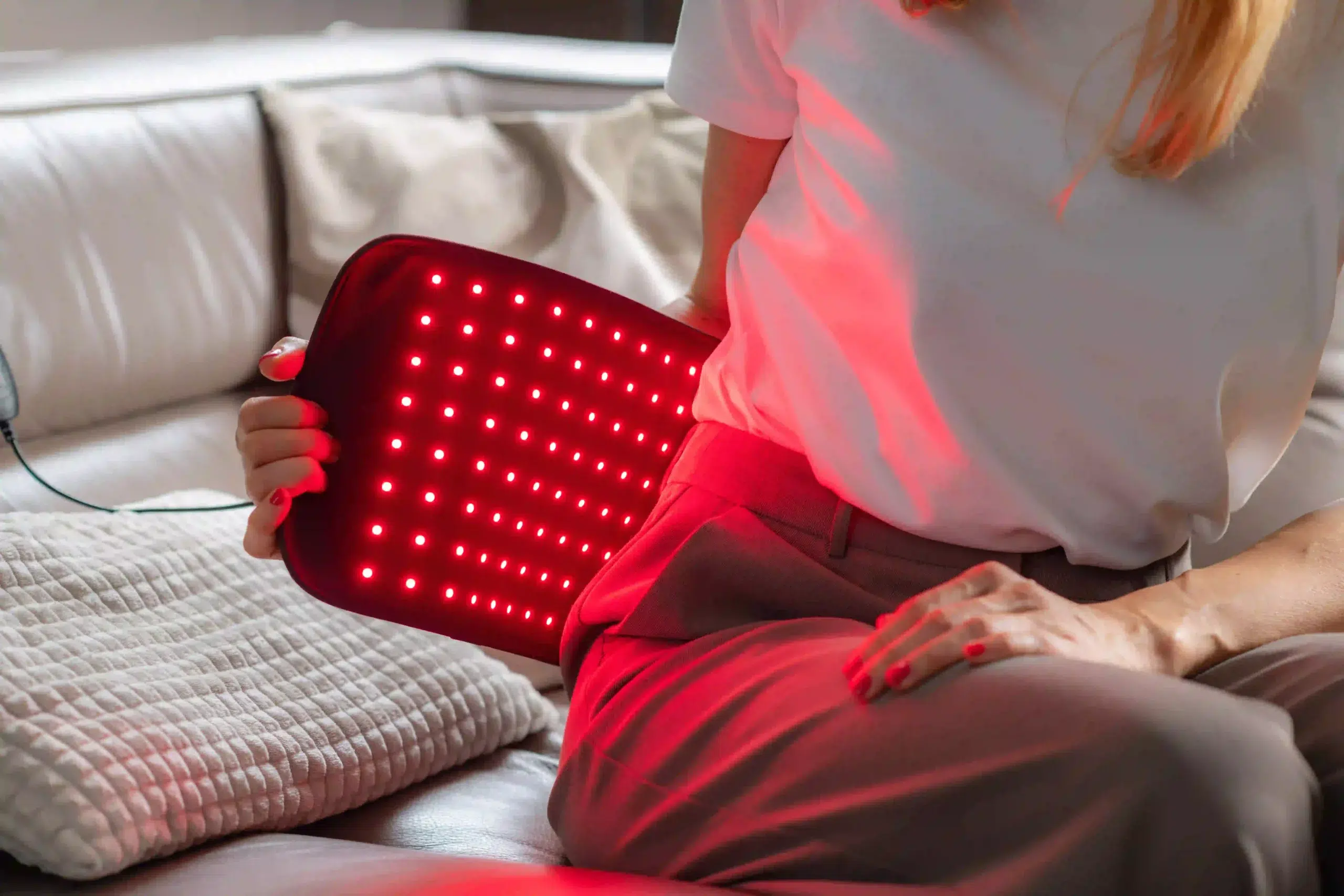
Does Red Light Therapy Really Work? What the Research Says
If you’ve heard people talking about red light therapy, you’re not alone.
Over the past several years, red light therapy has gained significant attention among individuals looking for natural wellness solutions, recovery support, and healthy aging strategies. From professional athletes and fitness enthusiasts to active adults over 50, more people are exploring this non-invasive wellness therapy to support their overall well-being.
But with growing popularity comes an important question:
Does red light therapy really work, or is it just another wellness trend?
The short answer is that research into red light therapy also known as photobiomodulation continues to grow, with studies exploring its potential role in supporting cellular health, recovery, circulation, skin appearance, and inflammation management.
While red light therapy is not a miracle cure, scientific research suggests it may provide meaningful benefits when used consistently as part of a comprehensive wellness routine.
Research suggests that red light therapy may support cellular health, inflammation management, recovery, circulation, skin appearance, and healthy aging. While results vary from person to person, studies generally show that consistency matters more than occasional use.
If you’re searching for Red Light Therapy in Ellenton, FL, Red Light Therapy in Bradenton, FL, or wellness services throughout Manatee County, you’re in the right place.
What Is Red Light Therapy?
Red light therapy is a non-invasive wellness treatment that uses specific wavelengths of red and near-infrared light to support natural cellular processes within the body.
Unlike tanning beds, which expose the skin to ultraviolet (UV) rays, red light therapy uses low-level wavelengths that do not tan the skin or create UV-related damage.
During a session, your body is exposed to carefully controlled wavelengths of light that penetrate the skin and interact with cells beneath the surface.
Researchers have spent years studying how these wavelengths may influence cellular function, recovery, circulation, and overall wellness.
The science behind red light therapy is known as photobiomodulation, a term used to describe how light energy may influence biological processes within cells.
How Red Light Therapy Supports Cellular Health
To understand why researchers are interested in red light therapy, it helps to understand one important part of your cells: the mitochondria.
Often called the “powerhouses” of the cell, mitochondria are responsible for producing energy that supports nearly every function in the body.
Think of mitochondria as tiny batteries inside your cells.
Your muscles, joints, skin, organs, and tissues all depend on cellular energy to function properly.
Research suggests that certain wavelengths of red and near-infrared light may help support mitochondrial activity, potentially improving the efficiency of cellular energy production.
When cells can produce energy more efficiently, they may be better equipped to support recovery, tissue maintenance, and overall cellular function.
This is one reason why red light therapy has become a growing area of interest for recovery therapy, healthy aging, and alternative wellness treatments.
What Research Suggests Red Light Therapy May Help With
Inflammation Support
Inflammation is a normal part of the body’s response to stress, activity, and injury. However, chronic inflammation can sometimes contribute to discomfort and reduced mobility.
Research continues to explore how red light therapy may influence inflammatory processes within the body.
A 2025 study by Kuppa and colleagues found that red-light LED therapy supported wound regeneration while reducing inflammatory markers, suggesting a potential role in supporting the body’s natural recovery processes (Kuppa et al., 2025).
Similarly, Li and colleagues reported that low-level red LED light reduced inflammation in a laboratory model designed to mimic acne-related skin inflammation (Li et al., 2018).
While additional research is ongoing, these findings help explain why many people seek red light therapy for inflammation as part of a broader wellness strategy.
Joint and Muscle Discomfort
Joint stiffness and muscle discomfort become increasingly common with age and activity.
Whether you’re spending time on the golf course, playing pickleball, gardening, or enjoying Florida’s outdoor lifestyle, recovery becomes more important over time.
Research reviewed by Moskvin and Kisselev (2017) explored the use of light-based therapies for joint and muscle discomfort, highlighting their potential role in supporting comfort and mobility.
Recovery After Activity
One reason athletes and active adults are increasingly interested in red light therapy is its potential role in recovery.
Research conducted by de Almeida and colleagues found that both red and infrared light therapy demonstrated benefits related to skeletal muscle fatigue and recovery in human participants (de Almeida et al., 2012).
For active adults throughout Ellenton, Bradenton, Parrish, and Lakewood Ranch, recovery support is often just as important as staying active.
Whether you’re walking the Suncoast neighborhood trails, spending time boating, or staying active with recreational sports, recovery matters.
Skin Health and Appearance
Red light therapy has also received attention for its potential impact on skin health and appearance.
A study by Couturaud and colleagues explored the use of red light photobiomodulation for addressing visible signs of skin aging and reported improvements in skin-related outcomes (Couturaud et al., 2023).
Additional research involving LED-based facial treatments found improvements in facial rejuvenation and appearance-related measures (Mineroff et al., 2023).
Because of this growing body of research, red light therapy is increasingly being incorporated into healthy aging and wellness programs.
Healthy Aging Support
Healthy aging isn’t about stopping the aging process.
It’s about supporting the body’s natural ability to function well over time.
Many adults over 50 are seeking non-invasive wellness therapies that may help support recovery, mobility, skin health, and overall quality of life.
Research into photobiomodulation continues to explore how light therapy may support cellular function, which is why red light therapy is often discussed within conversations about healthy aging and wellness optimization.
Improved Circulation
Healthy circulation plays an important role in overall wellness.
Research by Junkoski and colleagues found that combined red and near-infrared LED therapy improved vascular function in laboratory testing, suggesting potential benefits related to circulation and vascular health (Junkoski et al., 2025).
While further human studies are needed, this area of research remains promising.
What Red Light Therapy Does NOT Do
One of the most important things to understand about red light therapy is what it doesn’t do.
It Is Not a Miracle Cure
No wellness therapy can solve every problem.
Red light therapy should be viewed as one tool within a larger wellness strategy.
It Is Not a Replacement for Medical Care
If you’re dealing with a medical condition, diagnosis, or health concern, it’s important to work with your healthcare provider.
Red light therapy should complement, not replace appropriate medical guidance.
Results Vary
Every individual responds differently.
Factors such as age, lifestyle, activity level, overall health, and consistency of use can influence outcomes.
Consistency Matters
Many studies evaluating photobiomodulation involve multiple sessions over time rather than one-time treatments.
This is why consistent participation is often recommended for those exploring red light therapy.
Why Consistency Matters With Red Light Therapy
Many people try wellness therapies once and immediately wonder if they “worked.”
But most wellness habits don’t deliver their greatest value after a single session.
Think about:
- Exercise
- Healthy eating
- Stretching
- Meditation
- Recovery practices
The benefits often come through repetition.
Red light therapy is similar.
Most research evaluating photobiomodulation involves repeated exposure over days, weeks, or months rather than isolated treatments.
Many people report that consistency helps them make red light therapy a meaningful part of their wellness routine.
Rather than focusing on intensity, many wellness experts emphasize creating a sustainable habit that fits your lifestyle.
Why More Suncoast Residents Are Exploring Red Light Therapy
Residents throughout Ellenton, Bradenton, Parrish, Palmetto, Lakewood Ranch, and surrounding Suncoast communities are living active lifestyles longer than ever before.
Many enjoy:
- Golf
- Pickleball
- Walking
- Gardening
- Boating
- Fitness programs
- Recreational sports
As people prioritize healthy aging, they are increasingly looking for natural wellness solutions that support recovery and overall well-being.
Red light therapy offers a non-invasive option that fits easily into many wellness routines.
What to Expect During a Red Light Therapy Session
For first-time visitors, the experience is often surprisingly simple.
A typical session is:
- Comfortable
- Non-invasive
- Relaxing
- Free from downtime
Most people simply relax while the device delivers specific wavelengths of red and near-infrared light.
Sessions are generally short and designed to fit easily into busy schedules.
If you’d like a more detailed look at how sessions work, visit our article on Red Light Therapy: Relief, Recovery, and Real Results.
Is Red Light Therapy Right for You?
Red light therapy may be worth exploring if you’re interested in:
- Recovery support
- Healthy aging
- Cellular wellness
- Natural wellness solutions
- Non-invasive wellness therapies
- Supporting an active lifestyle
Questions to ask yourself :
- Am I looking for a non-invasive wellness option?
- Do I want to support recovery after activity?
- Am I interested in healthy aging strategies?
- Am I willing to be consistent with wellness practices?
Your goals, lifestyle, and wellness priorities should guide your decision.
Red Light Therapy in Ellenton, Bradenton, Parrish, Palmetto, and Lakewood Ranch
People throughout Ellenton, Bradenton, Parrish, Palmetto, Lakewood Ranch, and greater Manatee County are increasingly exploring wellness therapies that support active lifestyles and healthy aging.
Whether you’re looking for Red Light Therapy in Ellenton, FL, Red Light Therapy in Bradenton, FL, or natural wellness options near Lakewood Ranch, understanding the science behind red light therapy can help you make informed decisions about your wellness journey.
At Wellness Center of Ellenton, our goal is to provide education, support, and wellness resources that help individuals make confident choices about their health and well-being.
Frequently Asked Questions
How often should I use red light therapy?
The ideal frequency varies depending on your goals, lifestyle, and individual needs. Many wellness programs involve multiple sessions over time, as consistency is often considered an important factor.
Is red light therapy safe?
Red light therapy is generally considered a non-invasive wellness treatment. However, individuals with medical concerns should consult their healthcare provider before beginning any new wellness program.
Does red light therapy help with inflammation?
Research has explored the potential role of red light therapy in supporting inflammation management, and several studies have reported promising findings.
How long does it take to see results?
Results vary from person to person. Some individuals notice changes relatively quickly, while others may require consistent sessions over time.
Where can I receive red light therapy in Ellenton, Florida?
Residents of Ellenton, Bradenton, Parrish, Palmetto, Lakewood Ranch, and surrounding Manatee County communities can learn more about red light therapy options through The Wellness Center of Ellenton.
References
Barber D, Malyshev Y, Oluyadi F, Andreev A, Sahni S. Halotherapy for Chronic Respiratory Disorders: From the Cave to the Clinical. Altern Ther Health Med. 2022;28(3):52-56.
Rashleigh R, Smith SM, Roberts NJ. A Review of Halotherapy for Chronic Obstructive Pulmonary Disease. Int J Chron Obstruct Pulmon Dis. 2014;9:239-246.
Crisan-Dabija R, Sandu IG, Popa IV, Scripcariu DV, Covic A, Burlacu A. Halotherapy—An Ancient Natural Ally in the Management of Asthma: A Comprehensive Review. Healthcare. 2021;9(11):1604.
Chervinskaya AV, Zilber NA. Halotherapy for Treatment of Respiratory Diseases. J Aerosol Med. 1995;8(3):221-232.
Rabbani B, Makki SS, Najafizadeh K, Vishteh HR, Shafaghi S, Karimi S, Mahmoodian S. Efficacy of Halotherapy for Improvement of Pulmonary Function Tests and Quality of Life of Non-Cystic Fibrosis Bronchiectatic Patients. Tanaffos. 2013;12(2):22-27.
Chervinskaya AV, Kotenko KV. Efficiency of Controlled Halotherapy in Rehabilitation of Patients with Occupational Lung Diseases. Med Tr Prom Ekol. 2016;(11):38-40.